When K-over interprets architecture
Some places are recognisable before their name is read. The proportions of a façade, a decorative motif or a crest can immediately express the identity of a residence, hotel or restaurant. When table service reflects these details, hospitality gains coherence and becomes easier to remember.
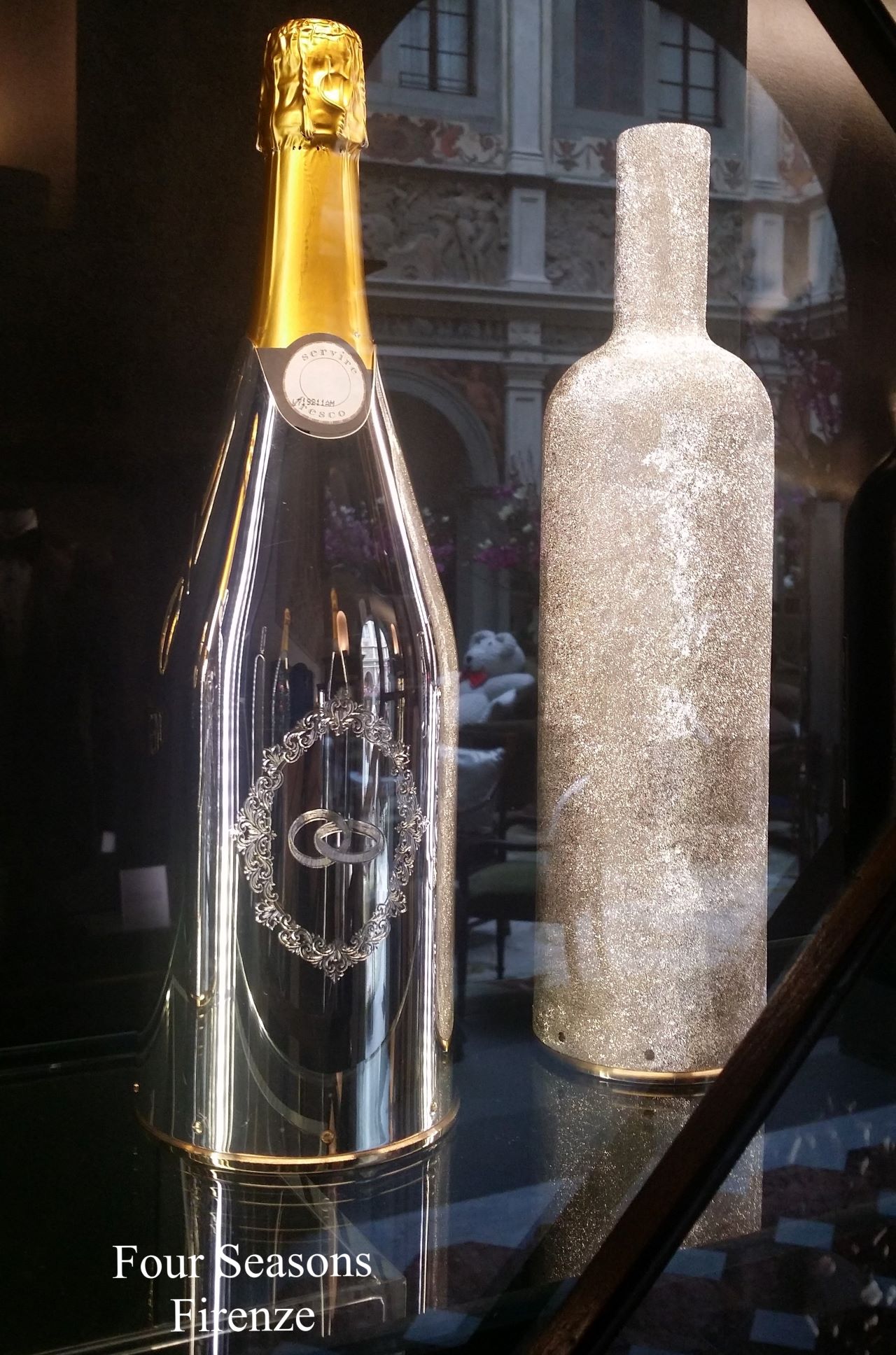
K-over Bespoke brings that identity onto silver. Florentine master silversmiths can translate an architectural detail, monogram or emblem into relief and engraving. The resulting cover belongs to a particular place and becomes a recognisable presence at private dinners, receptions and formal events.
From architecture to silversmithing
Turning a building into an engraved surface involves more than reproducing an image. The artist must choose the lines that make the place instantly legible, establish depth and proportion, and anticipate the way light will travel across the metal.
The process begins with observation. Photographs, drawings and symbols are studied to create a composition suited to the form of K-over. Chasing and embossing then restore volumes, frames and details. Pure 999 silver records every variation of the maker’s hand, giving the image a living quality that industrial printing cannot reproduce.
An object that truly belongs
In a refined hospitality project, personalisation should never feel like a final addition. It should emerge from the same language as the interior, the table and the service. A bespoke K-over may recall the design of a gate, a family crest or the geometry of a historic floor, creating a subtle connection with its setting.
Once brought to the table, the cover starts a conversation. A guest recognises the façade they have just entered or discovers the meaning of a symbol. The story of the wine meets the story of the place, giving service a depth that extends beyond visual coordination.
From the table to the guest’s memory
The most effective objects in hospitality do not demand attention. They earn it through relevance. A bespoke K-over is seen, held and photographed at the most convivial point of the experience. It expresses the property’s character without interrupting the rhythm of service.
In a private residence, it can preserve a family identity. In a hotel or estate, it may become a signature element for suites, restaurants or special events. In both cases, architecture is no longer only a backdrop. It continues at the table, engraved in silver.
Designing a presence rather than applying a logo
The quality of a bespoke project depends on the ability to select. A building may offer dozens of recognisable details, but not all of them work on the curved surface of a cover. The design must preserve the character of the place when simplified, viewed at close range and crossed by reflections. Dialogue between client and artisan is therefore an essential part of the result.
The project may focus on a figurative element, such as a façade or landscape, or on a more abstract code. Family initials, the line of an arch or a texture drawn from the interior materials may be enough to create a sense of belonging. The important point is to avoid a purely promotional application. The sign should appear to have been conceived with the object, rather than placed on top of it.
This coherence allows K-over to work in different settings. It may become the centrepiece of a formal dinner, appear in the daily service of a suite or accompany a bottle presented to a special guest. The place remains recognisable while the use changes. This versatility is what turns personalisation into a lasting identity.
Turn the defining feature of your space into a work of silver. Request a K-over Bespoke project.